
The Ultimate Guide to Sustainable Seafood Choices: 7 Powerful Tips to Eat Responsibly
The Ultimate Guide to Sustainable Seafood Choices shows 7 powerful tips to help you make responsible, eco-friendly seafood decisions.
Introduction: Why Sustainable Seafood Choices Matter
Have you ever wondered where your seafood comes from? Imagine a world where overfishing devastates ocean ecosystems, leaving future generations with empty seas. Making sustainable seafood choices isn’t just a trend—it’s a responsibility that affects marine life, climate, and human health. In this guide, we’ll explore The Ultimate Guide to Sustainable Seafood Choices, offering practical tips to help you eat responsibly while enjoying delicious seafood.
By adopting these strategies, you can make a meaningful impact on the planet. From choosing the right fish to understanding eco-labels, this guide provides a comprehensive roadmap for sustainable seafood decisions.
H2: Understanding Sustainable Seafood
Sustainable seafood means choosing fish and shellfish that are caught or farmed responsibly, ensuring long-term health of ocean ecosystems. Overfishing and destructive fishing methods have led to declines in many species, but informed decisions can make a difference.
H3: Key Principles of Sustainable Seafood
- Eco-friendly sourcing: Look for fisheries with minimal environmental impact.
- Biodiversity protection: Avoid species at risk of overfishing.
- Traceability: Ensure the origin of your seafood is verifiable.
- Responsible aquaculture: Support farms that minimize pollution and disease.
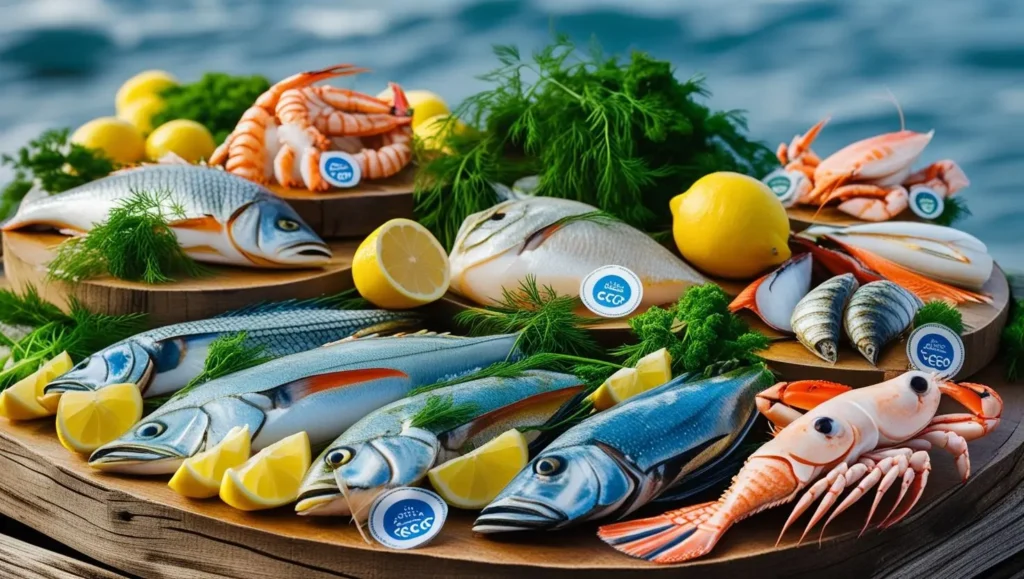
Image Suggestion: Place an image of a colorful fish market with sustainable labels.
Alt text: “The Ultimate Guide to Sustainable Seafood Choices: eco-friendly fish market”
H2: 7 Tips for Making the Ultimate Sustainable Seafood Choices
Following these 7 tips can transform how you shop and consume seafood.
H3: 1. Check for Eco-Labels
Look for certifications like:
- MSC (Marine Stewardship Council) – Wild-caught seafood
- ASC (Aquaculture Stewardship Council) – Farmed seafood
These labels ensure your seafood meets rigorous sustainability standards.
Internal Link Suggestion: Link to your blog post on “Top Eco-Friendly Foods to Try This Year.”
H3: 2. Prefer Local and Seasonal Seafood
Eating seafood from local fisheries reduces carbon footprint. Seasonal fish also ensures natural population cycles aren’t disrupted.
Bullet Points Example:
- Winter: Cod, Haddock
- Spring: Shrimp, Mussels
- Summer: Salmon, Tuna
- Fall: Oysters, Scallops
Image Suggestion: A map highlighting seasonal seafood availability.
Alt text: “The Ultimate Guide to Sustainable Seafood Choices: seasonal fish chart”
H3: 3. Avoid Overfished Species
Some species are at high risk:
- Bluefin tuna
- Atlantic cod
- Orange roughy
Instead, opt for lower-risk species like:
- Alaskan pollock
- Sardines
- Mackerel
H3: 4. Ask Your Fishmonger Questions
Don’t hesitate to inquire about:
- Origin of the seafood
- Fishing method
- Farm sustainability practices
A knowledgeable seller can guide you toward better choices.
H3: 5. Use Sustainable Seafood Apps
Apps like Seafood Watch and FishChoice provide real-time recommendations.
External Link Suggestion:
H3: 6. Cook Smartly to Reduce Waste
The Ultimate Guide to Sustainable Seafood Choices isn’t only about buying fish—it’s about reducing waste. Use the entire fish, freeze leftovers, and compost scraps.
Step-by-step example for leftover fish:
- Flake cooked fish into salads or pasta.
- Make fish stock with bones and heads.
- Freeze unused fillets for future meals.
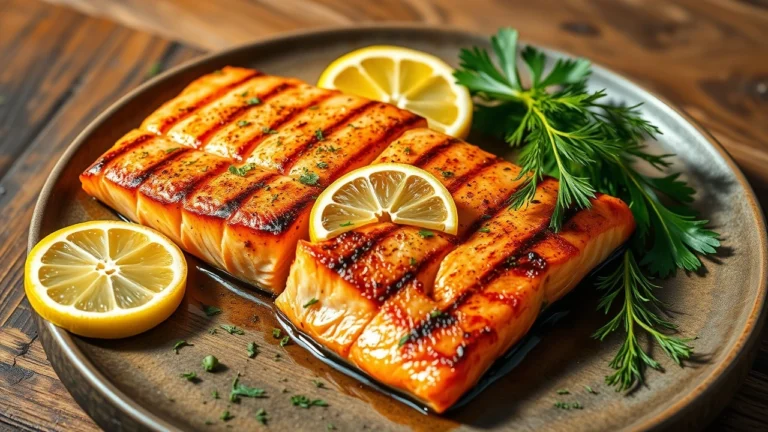
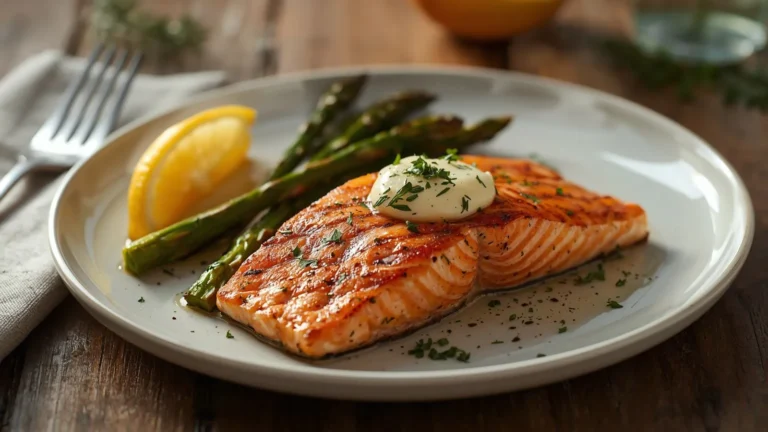
Image Suggestion: Plate with sustainable seafood recipe.
Alt text: “The Ultimate Guide to Sustainable Seafood Choices: eco-friendly fish meal”
H3: 7. Educate Others
Share knowledge about sustainable seafood with family and friends. Community awareness drives bigger impact.
H2: Sustainable Seafood Ingredients Table (Example Recipe)
| Ingredient | Quantity |
|---|---|
| Alaskan Pollock Fillets | 500g |
| Olive Oil | 2 tbsp |
| Lemon Juice | 2 tbsp |
| Garlic (minced) | 2 cloves |
| Fresh Parsley (chopped) | 2 tbsp |
| Salt | ½ tsp |
| Black Pepper | ¼ tsp |
H2: How to Cook Your Sustainable Seafood
H3: Step-by-Step Instructions
- Preheat oven to 200°C (400°F).
- Place pollock fillets on a baking sheet lined with parchment.
- Mix olive oil, lemon juice, garlic, salt, and pepper in a bowl.
- Brush mixture over fillets.
- Bake for 12–15 minutes until fish flakes easily.
- Garnish with fresh parsley and serve immediately.
Tip: Pair with seasonal vegetables to maintain eco-friendly practices.
H2: Supporting Data & Facts
- Overfishing affects 90% of global fish stocks, according to FAO.
- Sustainable fishing can increase long-term yields by 12–20%.
- Seafood is a key protein source for over 3 billion people worldwide.
interal Link Suggestion:
H2: Benefits of Making Sustainable Seafood Choices
- Environmental protection: Helps preserve marine ecosystems.
- Healthier meals: Often fresher, less contaminated seafood.
- Economic impact: Supports responsible fisheries and local communities.
H2: Frequently Asked Questions (FAQ)
Q1: What are sustainable seafood choices?
A: Sustainable seafood choices are fish and shellfish sourced responsibly to protect marine life and ecosystems.
Q2: How can I identify sustainable seafood choices?
A: Look for certifications like MSC or ASC, use apps, and ask your fishmonger.
Q3: Why are sustainable seafood choices important?
A: They ensure long-term food security, protect ocean biodiversity, and support ethical fishing practices.
Q4: Can I cook sustainable seafood choices at home?
A: Absolutely! Simple recipes like baked pollock or seasonal seafood dishes help reduce waste and maintain nutrition.
Q5: Are there affordable sustainable seafood choices?
A: Yes! Options like sardines, mackerel, or Alaskan pollock are budget-friendly and eco-conscious.
Conclusion & Call to Action
Making informed decisions about seafood consumption is easier than you think. By following The Ultimate Guide to Sustainable Seafood Choices, you’re protecting oceans, supporting ethical fisheries, and enjoying healthy meals. Share your favorite sustainable seafood recipes in the comments below or spread the word on social media to encourage others to eat responsibly.