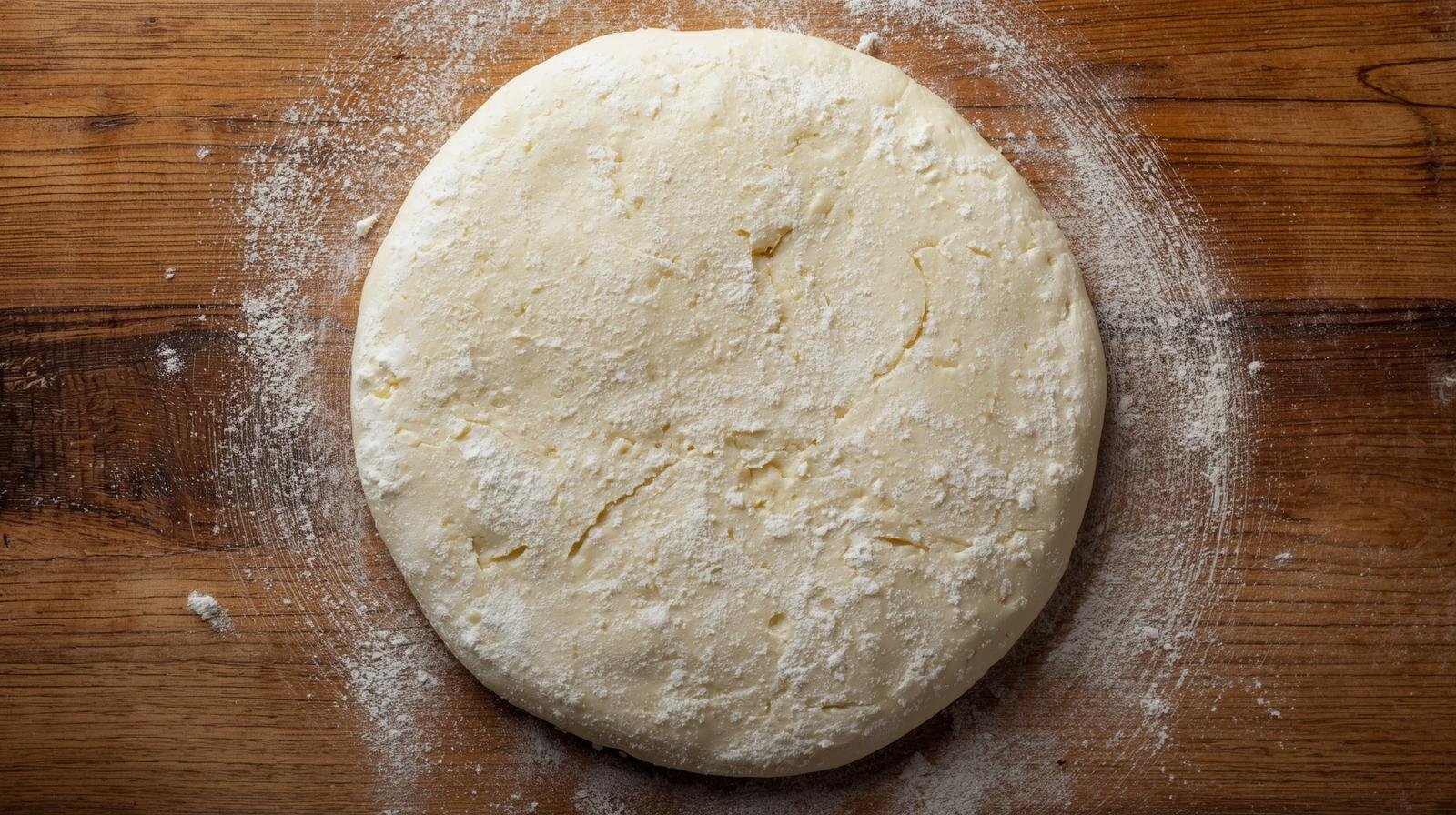
Homemade Pizza Dough: 7 Foolproof Steps to Perfect Crust
Discover the best Homemade Pizza Dough recipe in 7 simple steps. Easy, fluffy, and foolproof—create the perfect crust for your favorite toppings.
Introduction
Imagine this: it’s a cozy Friday night, and your kitchen is filled with the warm, yeasty aroma of freshly baked pizza. Instead of reaching for frozen dough or dialing for delivery, you crafted it yourself—soft, chewy, and bubbling with flavor. Doesn’t that sound satisfying?
Making homemade pizza dough may seem intimidating at first, but once you master the basics, it becomes one of the most rewarding skills in the kitchen. With just a few pantry staples, you can create a restaurant-quality crust that transforms your pizza nights forever.
In this guide, you’ll learn the exact process to make foolproof homemade pizza dough, the science behind achieving the perfect rise, and some pro tips to customize it for any occasion.
Why Homemade Pizza Dough is Worth It
Homemade pizza dough has several advantages over store-bought or frozen options:
-
Better flavor: Fresh yeast fermentation develops complex flavors.
-
Healthier choice: You control the ingredients, with no preservatives.
-
Customizable: Adjust thickness, crispiness, or hydration levels.
-
Cost-effective: A batch of dough costs a fraction of delivery pizza.
With the right technique, even beginners can achieve bakery-quality results.
Ingredients for Homemade Pizza Dough
Here’s a complete list of what you need.
| Ingredient | Quantity | Notes |
|---|---|---|
| All-purpose flour | 4 cups (500 g) | Or bread flour for chewier crust |
| Warm water (110°F/45°C) | 1 ½ cups (355 ml) | Helps activate yeast |
| Active dry yeast | 2 ¼ tsp (7 g) | 1 packet |
| Olive oil | 2 tbsp (30 ml) | Adds flavor and elasticity |
| Sugar | 1 tsp | Feeds the yeast |
| Salt | 2 tsp | Enhances flavor |
💡 Pro Tip: For a crispier crust, replace ½ cup flour with semolina.
Step-by-Step Homemade Pizza Dough Recipe
Follow these steps for a perfect, fluffy crust every time.
Step 1: Activate the Yeast
-
In a bowl, combine warm water, sugar, and yeast.
-
Stir gently and let it sit for 5–10 minutes until foamy.
Image suggestion: A glass bowl with foamy yeast mixture (Alt text: Homemade Pizza Dough yeast activation).
Step 2: Mix the Dough
-
In a large mixing bowl, combine flour and salt.
-
Make a well in the center and pour in the yeast mixture and olive oil.
-
Stir with a wooden spoon until a shaggy dough forms.
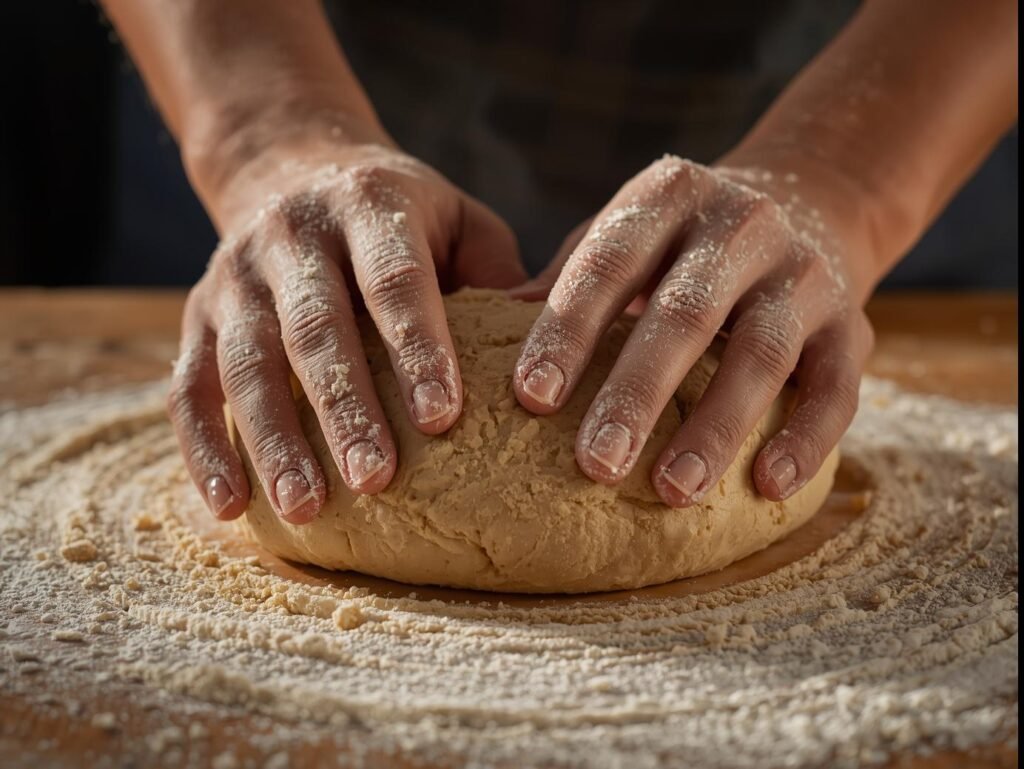
Step 3: Knead
-
Transfer dough onto a floured surface.
-
Knead for 8–10 minutes until smooth and elastic.
-
Test by pressing lightly; if it springs back, it’s ready.
Step 4: First Rise
-
Place dough in a lightly oiled bowl, cover with a damp towel.
-
Let it rise in a warm spot for 1–2 hours until doubled in size.
Step 5: Punch Down & Divide
-
Gently punch down to release air.
-
Divide dough into 2–3 equal portions for medium pizzas.
Step 6: Shape
-
Roll out on a floured surface.
-
For thin crust, roll thinner; for thick crust, keep it puffier.
Step 7: Bake
-
Preheat oven to 475°F (245°C) with a pizza stone or baking sheet.
-
Bake crust for 5 minutes without toppings (optional for crispness).
-
Add sauce, cheese, and toppings.
-
Bake for 10–12 minutes until golden and bubbly.
Variations and Pro Tips
-
Overnight Fermentation: Refrigerate dough for 24 hours for deeper flavor.
-
Whole Wheat Version: Replace 1–2 cups flour with whole wheat flour.
-
Gluten-Free Option: Use a gluten-free flour blend and add xanthan gum.
-
Freezer-Friendly: Wrap dough balls in plastic and freeze up to 3 months.
Common Mistakes to Avoid
-
Using water that’s too hot (kills yeast).
-
Adding too much flour (leads to tough dough).
-
Skipping preheating (prevents proper oven spring).
-
Overloading with toppings (makes crust soggy).
Expert Tips for Perfect Homemade Pizza Dough
-
Hydration Ratio: Stick to 65–70% water-to-flour for soft dough.
-
Use a Pizza Stone: Mimics professional pizza ovens.
-
Rest After Shaping: Letting shaped dough rest 10 minutes relaxes gluten.
-
Finish with Olive Oil: Brushing crust with oil enhances crispiness.

SEO Linking Strategy
For more inspiration, check out:
Explore our own recipes too:
FAQs About Homemade Pizza Dough
1. How long can I store homemade pizza dough?
Homemade pizza dough can be refrigerated for up to 3 days or frozen for 3 months.
2. Why isn’t my homemade pizza dough rising?
Check yeast freshness and water temperature—too hot or too cold can affect fermentation.
3. Can I make homemade pizza dough without yeast?
Yes, you can use baking powder and yogurt for a quick no-yeast dough, but texture differs.
4. What flour is best for homemade pizza dough?
Bread flour creates chewier crusts, while all-purpose flour makes softer ones.
5. Do I need a pizza stone for homemade pizza dough?
Not required, but highly recommended for crispier results. A preheated baking sheet also works.
Conclusion
With just a handful of ingredients and a little patience, you can master the art of homemade pizza dough. This recipe gives you control, flavor, and satisfaction that no frozen crust can match.
👉 Try it this weekend, and don’t forget to share your experience in the comments below. Tag us on social media with your creations—we’d love to see your perfect pizzas!