

Keto Breakthrough: 7 Powerful Secrets That Expose Why the Food Pyramid Fails”
Discover how the Keto Breakthrough challenges the traditional food pyramid. Uncover 7 revolutionary keto diet secrets designed to transform your health and accelerate weight loss.
Introduction
Have you ever wondered why following the traditional food pyramid left you feeling hungry, tired, and frustrated with your weight loss efforts? You’re not alone. Millions of people have struggled with the conventional dietary guidelines, only to discover that the food pyramid ketogenic diet approach completely transforms their relationship with food and their bodies.
Sarah, a 42-year-old teacher from Denver, followed the standard food pyramid religiously for years—eating whole grains as her foundation, limiting fats, and counting calories obsessively. Despite her best efforts, she remained 30 pounds overweight and constantly battled afternoon energy crashes. Then she discovered the ketogenic diet’s inverted approach to the food pyramid, and within six months, she had lost 28 pounds, gained mental clarity, and found sustainable energy throughout her day.
The food pyramid ketogenic diet represents a fundamental shift in how we think about nutrition, flipping the traditional model upside down to prioritize healthy fats over carbohydrates.
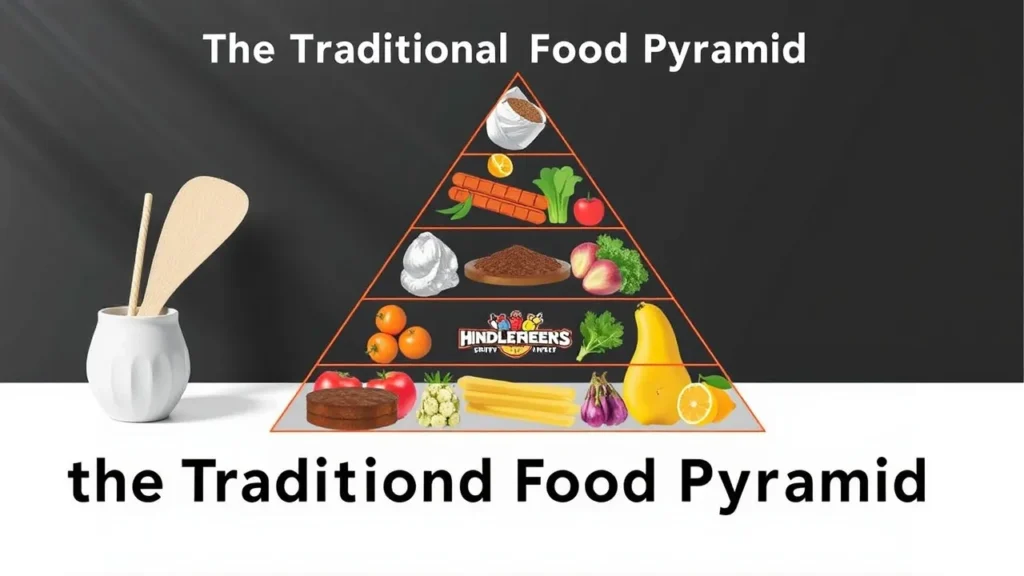
The Fatal Flaws of the Traditional Food Pyramid
Why Carbohydrate-Heavy Guidelines Keep You Hungry
The conventional food pyramid, established in the 1990s, placed grains and carbohydrates as the foundation of healthy eating. This approach recommended 6-11 servings of bread, cereal, rice, and pasta daily—a recommendation that has contributed to rising obesity and diabetes rates.
Key problems with the traditional approach:
- Promotes blood sugar spikes and crashes
- Triggers constant hunger and cravings
- Leads to fat storage rather than fat burning
- Creates dependency on frequent meals
- Contributes to metabolic dysfunction
The Science Behind Carbohydrate Addiction
Research published in the American Journal of Clinical Nutrition reveals that high-carbohydrate diets activate reward pathways in the brain similar to addictive substances. This creates a cycle of craving, consumption, and temporary satisfaction that leaves you searching for your next carbohydrate fix.
Understanding the Food Pyramid Ketogenic Diet Revolution
What Makes the Keto Food Pyramid Different
The food pyramid ketogenic diet completely inverts traditional nutritional priorities, creating a new hierarchy that promotes metabolic health and sustainable weight loss.
Traditional Food Pyramid vs. Keto Food Pyramid:
Traditional Pyramid LevelStandard RecommendationKeto Pyramid LevelKeto RecommendationBase (Largest)Grains & StarchesBase (Largest)Healthy FatsSecond LevelFruits & VegetablesSecond LevelLow-Carb VegetablesThird LevelProteins & DairyThird LevelQuality ProteinsTop (Smallest)Fats & OilsTop (Smallest)Net Carbohydrates
The Four Pillars of Ketogenic Nutrition
1. Healthy Fats: The New Foundation (70-75% of calories)
Premium fat sources include:
- Avocados and avocado oil
- Extra virgin olive oil
- Grass-fed butter and ghee
- Coconut oil and MCT oil
- Nuts and seeds (macadamias, walnuts, chia seeds)
- Fatty fish (salmon, sardines, mackerel)
2. Low-Carb Vegetables: Your Nutrient Powerhouses (15-20% of calories)
Best ketogenic vegetables:
- Leafy greens (spinach, kale, arugula)
- Cruciferous vegetables (broccoli, cauliflower, Brussels sprouts)
- Zucchini and summer squash
- Asparagus and green beans
- Bell peppers and cucumber
3. Quality Proteins: Building Blocks for Success (20-25% of calories)
Optimal protein sources:
- Grass-fed beef and lamb
- Free-range poultry
- Wild-caught fish and seafood
- Pastured eggs
- High-quality dairy (if tolerated)
4. Net Carbohydrates: The Minimal Top Tier (5-10% of calories)
Limited carbohydrate sources:
- Small portions of berries
- Above-ground vegetables
- Nuts and seeds in moderation
- Target: 20-50 grams of net carbs daily

7 Game-Changing Benefits of the Food Pyramid Ketogenic Diet
1. Rapid and Sustainable Weight Loss
The food pyramid ketogenic diet transforms your body into a fat-burning machine through ketosis. Studies show that ketogenic dieters lose 2-3 times more weight than those following low-fat diets, with greater preservation of muscle mass.
2. Stable Blood Sugar and Insulin Sensitivity
By dramatically reducing carbohydrate intake, the ketogenic approach helps regulate blood sugar levels and improves insulin sensitivity, making it particularly beneficial for people with type 2 diabetes or prediabetes.
3. Enhanced Mental Clarity and Focus
Ketones provide a superior fuel source for the brain, leading to improved cognitive function, mental clarity, and sustained focus throughout the day.
4. Increased Energy and Endurance
Once adapted to burning fat for fuel, many people experience steady, sustained energy levels without the crashes associated with carbohydrate-dependent metabolism.
5. Reduced Inflammation
The food pyramid ketogenic diet emphasizes anti-inflammatory foods while eliminating processed carbohydrates and sugars that contribute to chronic inflammation.
6. Improved Heart Health Markers
Contrary to common misconceptions, ketogenic diets often improve cardiovascular risk factors, including HDL cholesterol, triglycerides, and blood pressure.
7. Natural Appetite Suppression
High-fat, moderate-protein meals provide superior satiety compared to carbohydrate-heavy meals, naturally reducing caloric intake without conscious restriction.
Sample Keto Food Pyramid Meal Plan
Daily Macro Breakdown
MacronutrientPercentageGrams (2000 calorie diet)Fats70%156gProteins25%125gNet Carbs5%25g
Day 1 Sample Menu
Breakfast: Keto Avocado Power Bowl
- 1 large avocado, sliced
- 2 pastured eggs, scrambled in grass-fed butter
- 2 strips sugar-free bacon
- 1 cup spinach, sautéed
- 1 tablespoon hemp seeds
Lunch: Mediterranean Keto Salad
- 4 oz wild-caught salmon
- 2 cups mixed greens
- 1/4 cup kalamata olives
- 2 tablespoons extra virgin olive oil
- 1 tablespoon apple cider vinegar
- 1/4 avocado
Dinner: Grass-Fed Steak with Cauliflower Mash
- 6 oz grass-fed ribeye steak
- 1 cup cauliflower, mashed with butter and cream
- 1 cup roasted broccoli with olive oil
- Side salad with olive oil dressing
Snack Options:
- 1 oz macadamia nuts
- Celery sticks with almond butter
- Full-fat Greek yogurt with berries (small portion)
Common Mistakes to Avoid When Following the Food Pyramid Ketogenic Diet
1. Not Getting Enough Electrolytes
The ketogenic diet has a natural diuretic effect, making electrolyte balance crucial. Ensure adequate sodium, potassium, and magnesium intake to avoid the “keto flu.”
2. Eating Too Much Protein
Excess protein can be converted to glucose through gluconeogenesis, potentially interfering with ketosis. Stick to moderate protein portions.
3. Ignoring Vegetable Intake
While the food pyramid ketogenic diet is low in carbs, nutrient-dense vegetables should still comprise a significant portion of your plate for optimal health.
4. Choosing Poor-Quality Fats
Not all fats are created equal. Prioritize whole food sources over processed oils and artificial trans fats.
Getting Started: Your 7-Day Transition Plan
Days 1-2: Preparation Phase
- Clean out high-carb foods from your pantry
- Stock up on keto-friendly ingredients
- Plan your first week of meals
Days 3-4: Initial Adaptation
- Begin tracking your macronutrients
- Stay hydrated and monitor electrolyte intake
- Expect some initial fatigue as your body adapts
Days 5-7: Finding Your Rhythm
- Fine-tune your meal timing and portion sizes
- Monitor ketone levels (optional but helpful)
- Adjust fat intake based on satiety and energy levels
Conclusion
The food pyramid ketogenic diet represents a paradigm shift that challenges decades of conventional nutritional wisdom. By inverting the traditional pyramid and prioritizing healthy fats over carbohydrates, this approach offers a sustainable path to weight loss, improved health markers, and enhanced quality of life.
Remember, the journey to ketogenic success isn’t about perfection—it’s about progress. Start by making small, consistent changes that align with the keto food pyramid principles, and allow your body time to adapt to this revolutionary way of eating.
Ready to transform your health with the food pyramid ketogenic diet? Start your journey today by planning your first keto meal using the principles outlined above. Share your experience in the comments below, and don’t forget to bookmark this guide for future reference!
Frequently Asked Questions (FAQ)
1. How does the food pyramid ketogenic diet differ from other low-carb diets?
The food pyramid ketogenic diet specifically aims for ketosis, a metabolic state where your body burns fat for fuel instead of carbohydrates. Unlike other low-carb approaches, keto requires very specific macronutrient ratios (70% fat, 25% protein, 5% carbs) and targets net carb intake below 50 grams daily to maintain ketosis consistently.
2. Can I follow the food pyramid ketogenic diet if I’m vegetarian or vegan?
Yes, though it requires careful planning. Vegetarian practitioners can rely on eggs, dairy, nuts, seeds, and plant-based fats. Vegan versions of the food pyramid ketogenic diet focus on coconut products, avocados, nuts, seeds, and plant-based proteins while strictly limiting legumes and grains.
3. How long does it take to see results with the food pyramid ketogenic diet?
Most people experience initial weight loss within the first week (primarily water weight), with fat loss becoming more apparent after 2-4 weeks. Full adaptation to the food pyramid ketogenic diet typically occurs within 4-6 weeks, when energy levels stabilize and mental clarity improves significantly.
4. Is the food pyramid ketogenic diet safe for long-term use?
Research indicates that well-formulated ketogenic diets can be safe and beneficial for long-term use in healthy individuals. However, the food pyramid ketogenic diet should be implemented under healthcare supervision, especially for people with existing medical conditions, diabetes, or those taking medications.
5. What are the most common side effects when starting the food pyramid ketogenic diet?
Initial side effects, often called the “keto flu,” may include fatigue, headaches, constipation, and irritability. These symptoms typically resolve within 3-7 days as your body adapts to the food pyramid ketogenic diet. Proper hydration, electrolyte balance, and gradual carb reduction can minimize these effects.